When winter comes, a geyser becomes one of the most important home appliances. Whether for a quick morning shower or for washing dishes, having hot water saves time and brings comfort. But when it comes to choosing between gas geysers and electric geysers, most people get confused. Which one is cheaper? Which lasts longer? Which is safer? And which saves more time? Let’s compare both step-by-step in simple English to help you make the right choice.
1. Working System
Gas Geysers:
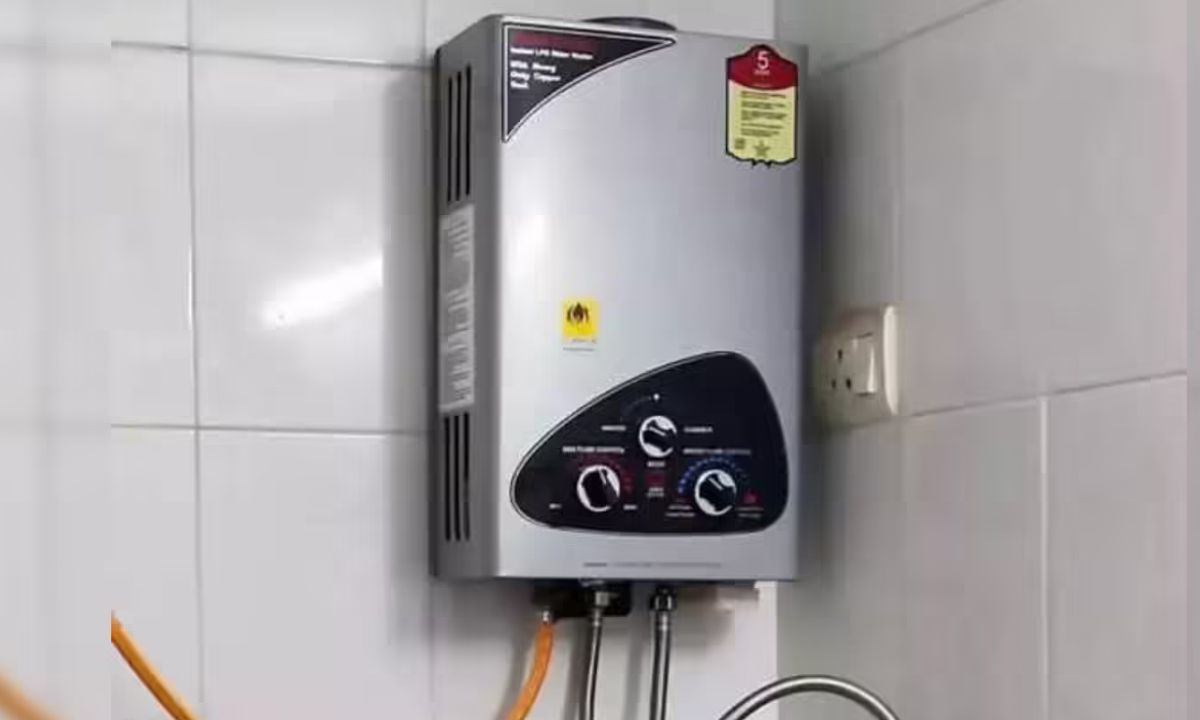
A gas geyser runs using LPG (liquefied petroleum gas) or natural gas. When you open the hot water tap, the gas burner turns on automatically and heats the water instantly. It does not store water like an electric geyser; instead, it heats water as it flows through the pipes.
Electric Geysers:
An electric geyser uses electric power to heat water. It has a heating element inside a storage tank or instant heating coil. You just switch it on, and it starts heating water. Some electric geysers take a few minutes to heat water, while instant models do it quickly.
2. Heating Time
Gas Geyser:
Gas geysers heat water instantly. You don’t have to wait; as soon as you open the tap, hot water starts coming out. It’s good for families with many members or for places where fast hot water is needed.
Electric Geyser:
Instant electric geysers also heat water fast, but storage types take around 5–10 minutes depending on the tank size and wattage

3. Installation and Space
Gas Geyser:
It needs a proper gas connection and ventilation for safe use. Installing a gas geyser in a closed bathroom is not safe. It should be placed in an open or semi-open space, like near the kitchen or outside the bathroom wall.
Electric Geyser:
Electric geysers are very easy to install. They just need an electric point and water connection. They can be installed safely inside bathrooms without worry.
4. Price and Running Cost
Gas Geyser:
Gas geysers are cheaper to buy. The average price is between ₹4,000 to ₹7,000. However, you will need to refill the gas cylinder or pay for piped gas, which adds to the running cost. If you use it daily, your gas will finish faster.
Electric Geyser:
Electric geysers cost a little more—around ₹6,000 to ₹12,000, depending on size and brand. But once installed, the electricity cost per use is usually stable and can be controlled by choosing energy-efficient models (like 5-star rated ones)

5. Safety
Gas Geyser:
Safety is a major concern with gas geysers. They produce carbon monoxide (CO), a harmful gas, if there’s not enough ventilation. There’s also a small risk of gas leakage if not properly installed or maintained.
Electric Geyser:
Electric geysers are generally safer, especially modern ones with auto cut-off, thermostat control, and pressure relief valves. As long as wiring and earthing are correct, there’s very little risk.
6. Maintenance and Lifespan
Gas Geyser:
Gas geysers need regular maintenance. The burner and gas pipes should be cleaned and checked often to avoid blockages and leaks. Their lifespan is usually around 5–7 years with good care.
Electric Geyser:
Electric geysers need less maintenance. You may need to check the heating element and anode rod every few years. With good care, they last 8–10 years or more

7. Performance in Power Cuts
Gas Geyser:
Gas geysers can work even during power cuts, as they don’t rely on electricity (except for auto ignition, which can use a small battery). This makes them good for areas with frequent power failures.
Electric Geyser:
Electric geysers stop working without electricity, so you’ll have to wait for power to return to get hot water
8. Environment and Energy Efficiency
Gas Geyser:
They use LPG, which emits carbon dioxide and other gases, making them less eco-friendly.
Electric Geyser:
Electric geysers, especially solar-powered or energy-efficient models, are more eco-friendly and help reduce pollution.
Final Comparison Table
| Feature | Gas Geyser | Electric Geyser |
|---|---|---|
| Heating Time | Very Fast | Moderate/Fast |
| Safety | Low | High |
| Price | Low | Medium |
| Running Cost | Medium | Low |
| Maintenance | High | Low |
| Lifespan | 5–7 Years | 8–10 Years |
| Works Without Power | Yes | No |
| Eco-Friendly | No | Yes |
Conclusion: Which Is Better?
If you live in an area with frequent power cuts and need instant hot water, a gas geyser might suit you better. However, if you want more safety, longer life, and less maintenance, then an electric geyser is the smarter choice.